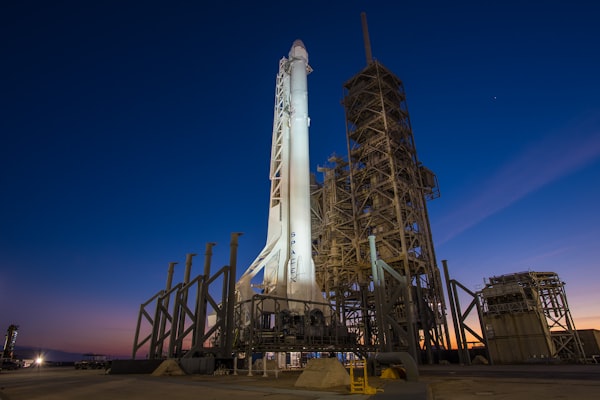
Orbital Debris Assessment & Mitigation Planning
We conduct thorough analysis of your mission profile to identify debris generation risks across all phases—launch, operation, and disposal. Our assessments meet NASA, ESA, and FCC debris mitigation standard requirements, providing the documentation needed for regulatory approval.
Deliverables include quantified collision probability calculations, fragmentation risk assessments, and comprehensive mitigation plans tailored to your mission architecture. We model orbital decay timelines and evaluate compliance with the 25-year deorbit guideline.

End-of-Life Disposal Consultation
Satellite disposal is no longer optional—it's a regulatory requirement and operational necessity. We help you select the most appropriate disposal method based on orbital altitude, spacecraft mass, and mission constraints.
Our consultations cover atmospheric re-entry planning, graveyard orbit insertion strategies, and active deorbiting technologies. We calculate delta-v requirements, evaluate propellant budgets, and assess disposal system reliability to ensure your mission meets compliance thresholds.
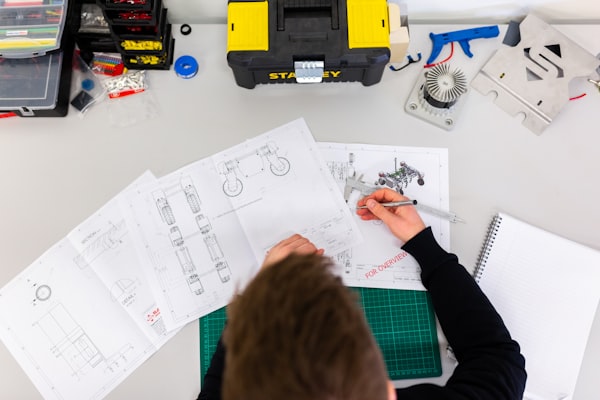
Sustainable Satellite Design Review
Design decisions made early in the spacecraft development cycle have lasting implications for orbital sustainability. We review your satellite architecture to identify opportunities for debris reduction through material selection, structural design, and component integration.
Our engineering assessments focus on minimizing fragmentation potential, maximizing operational lifespan, and facilitating end-of-life disposal. We evaluate passivation procedures, battery failure modes, and pressure vessel safety margins.
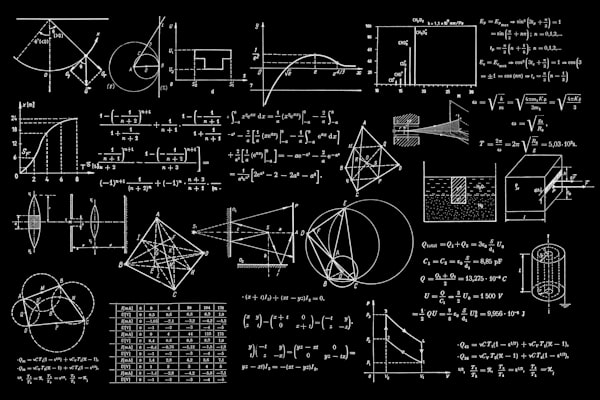
Collision Avoidance System Integration
Active collision avoidance is essential for constellations and high-value assets. We assist in implementing tracking data integration, conjunction analysis workflows, and automated maneuver decision systems.
Our service includes evaluation of commercial tracking providers, design of maneuver protocols, and development of decision thresholds that balance collision risk with propellant consumption. We help establish operational procedures that scale with constellation size.

Regulatory Compliance & Licensing Support
Navigating the evolving regulatory landscape for space sustainability requires specialized knowledge of multiple jurisdictions. We provide documentation support for FCC, Canadian Space Agency, and ESA licensing applications, ensuring your debris mitigation plans meet all applicable requirements.
Our team stays current with emerging regulations and industry standards, helping you anticipate future compliance obligations. We prepare technical reports, coordinate with regulatory bodies, and address review comments to streamline the approval process.